

A useful pause does not have to be long. Its job is to help a listener hear where one thought ends and the next begins. Ptichi turns that into a short practice loop: Take A, one intention, Take B, listening comparison and a new sentence.
Practice
Give the thought room to land
A Ptichi comic about thought boundaries: record two takes, hear the difference and test it on new words.
Comic · 6 scenes
How a thought gets room to land
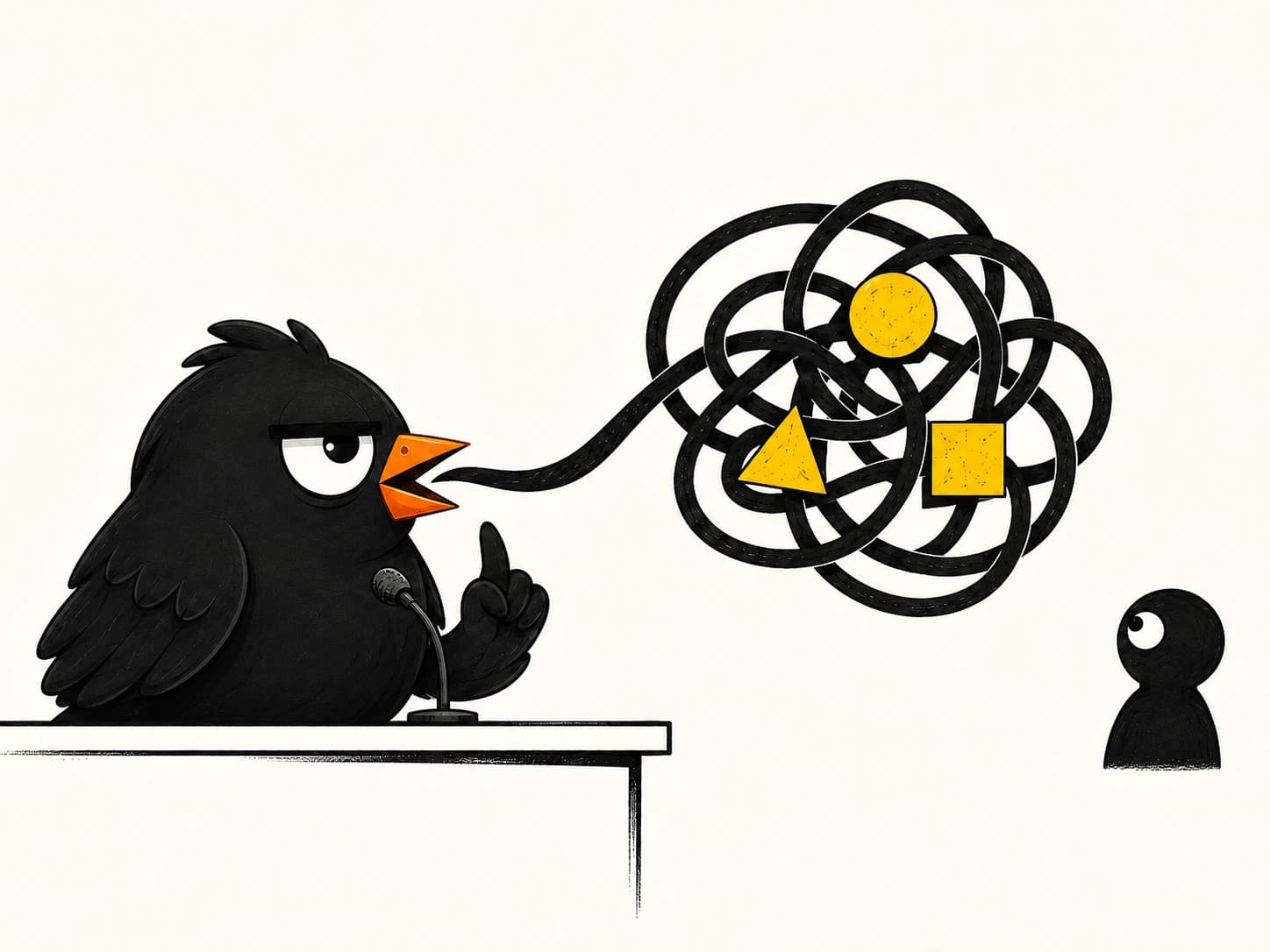
One sentence. Three thoughts.
When everything arrives as one dense block, the listener has to recover the structure alone.
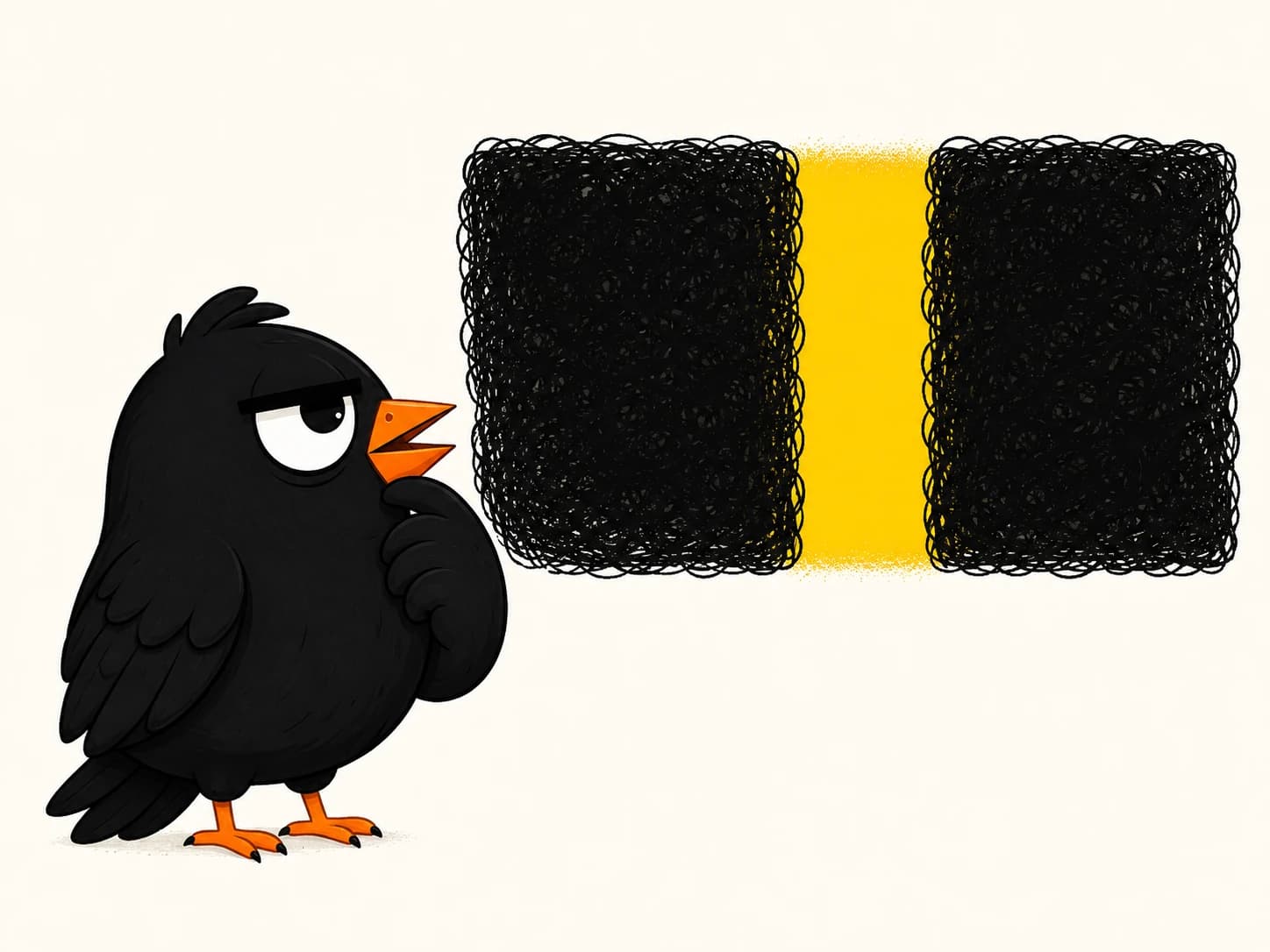
A boundary makes room for the listener.
You do not necessarily need to speak slower. The transition between thoughts needs to be audible.
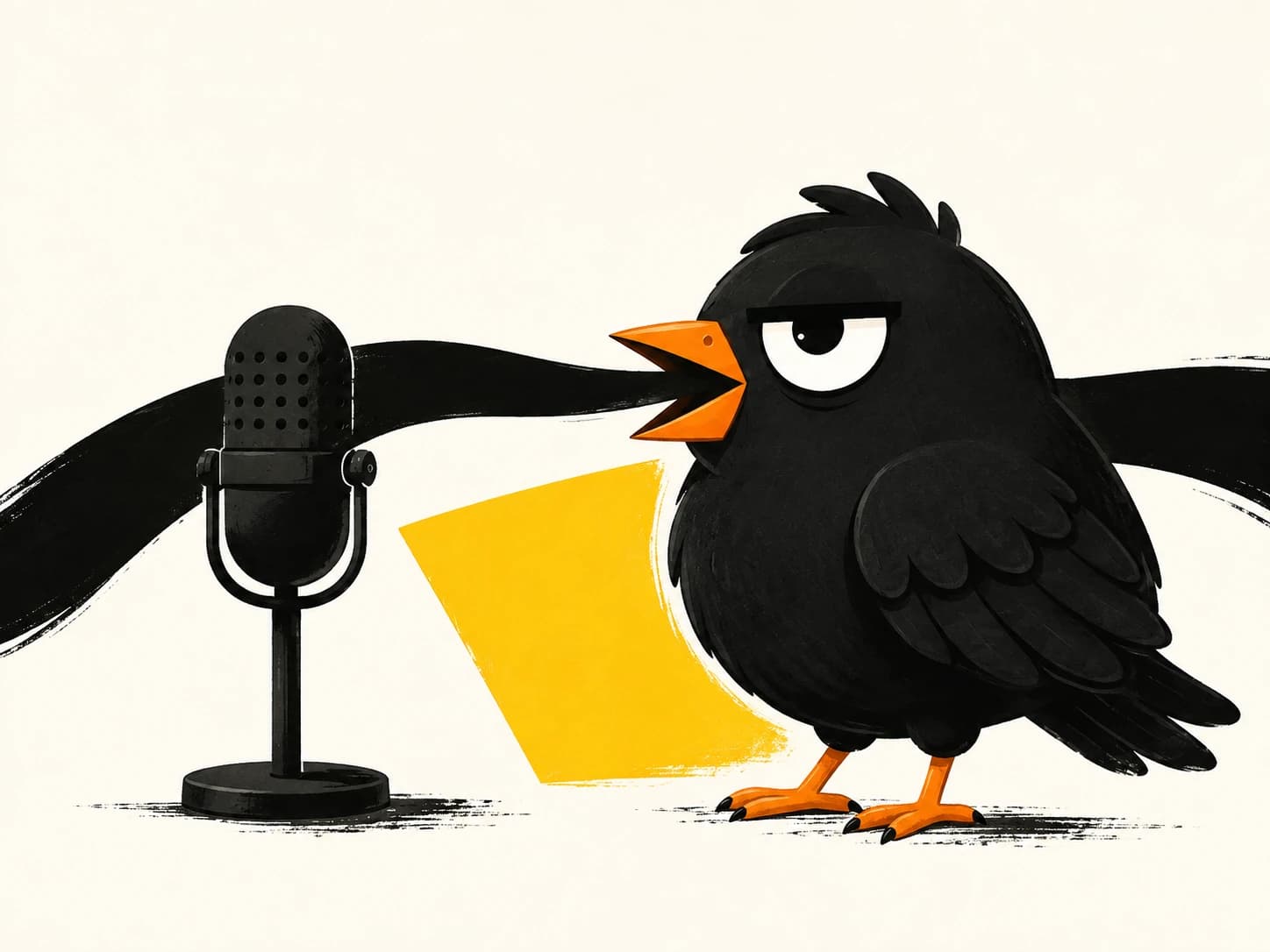
Start with Take A.
Record the familiar version. No personality, confidence or global voice-quality score.
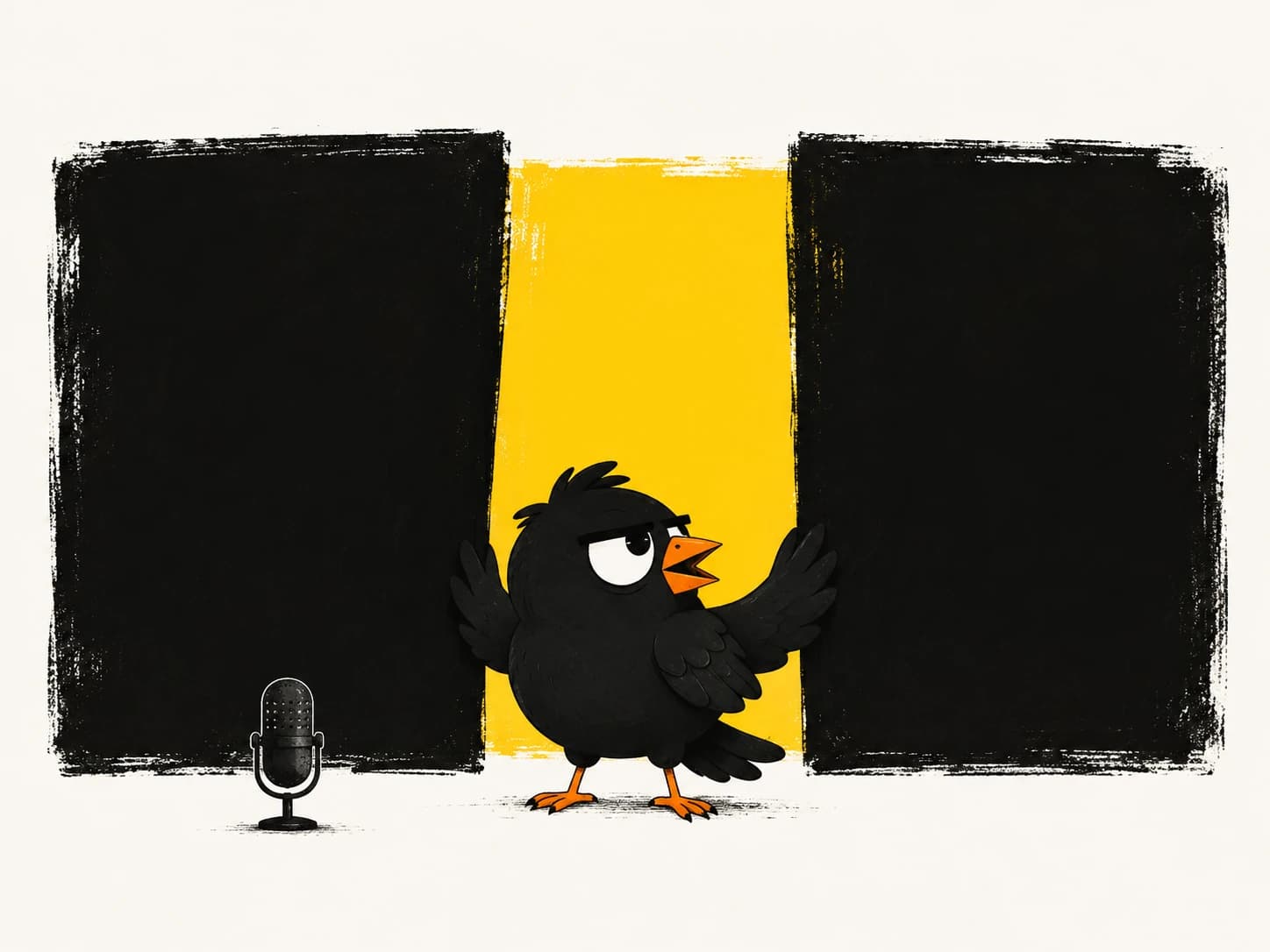
Then change one thing.
Mark the boundary between the thoughts. A small pause may help; there is no universal duration.
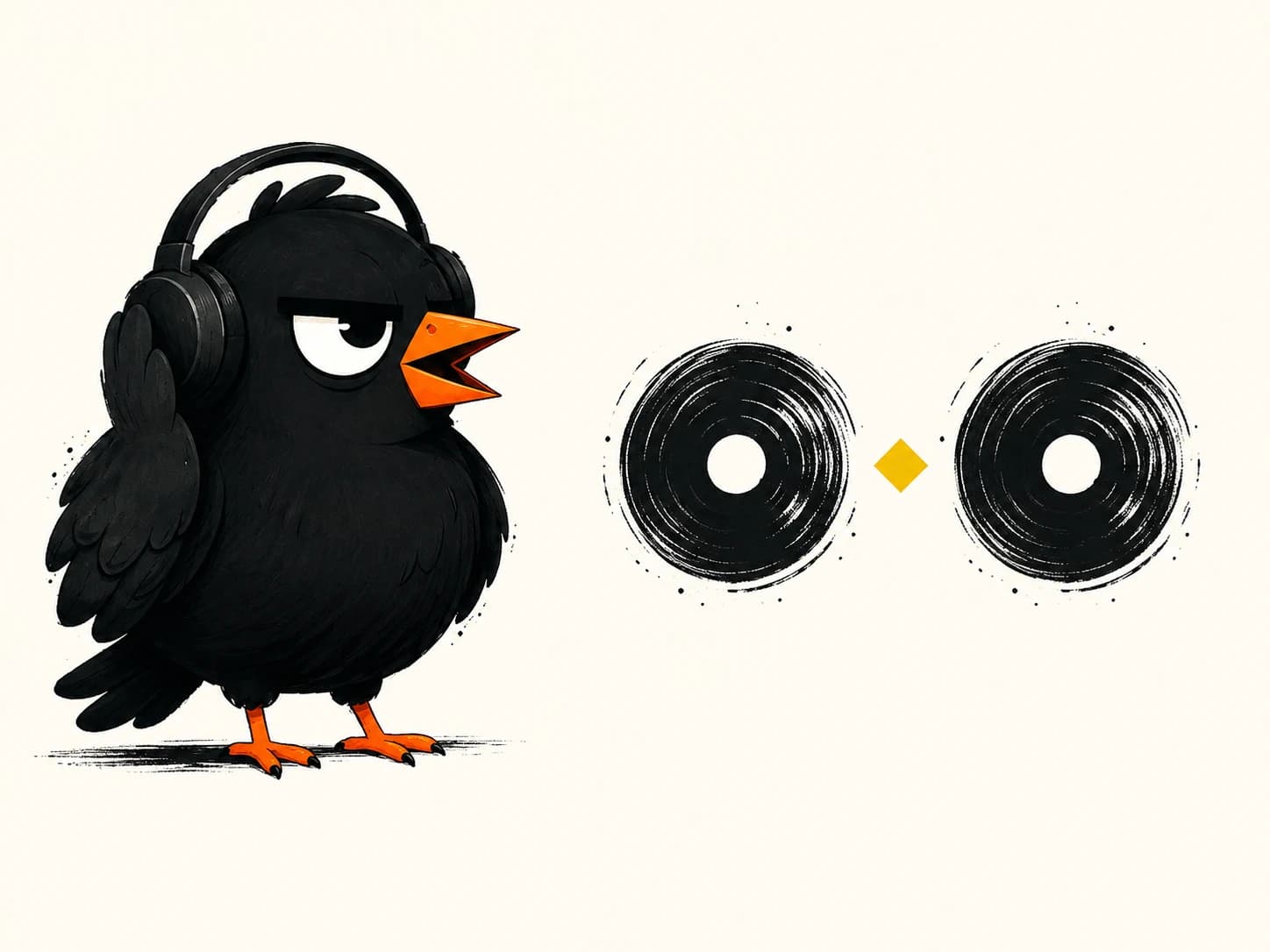
Listen first. Reveal second.
Compare A and B blind: where is the relationship clearer while the delivery still sounds natural?
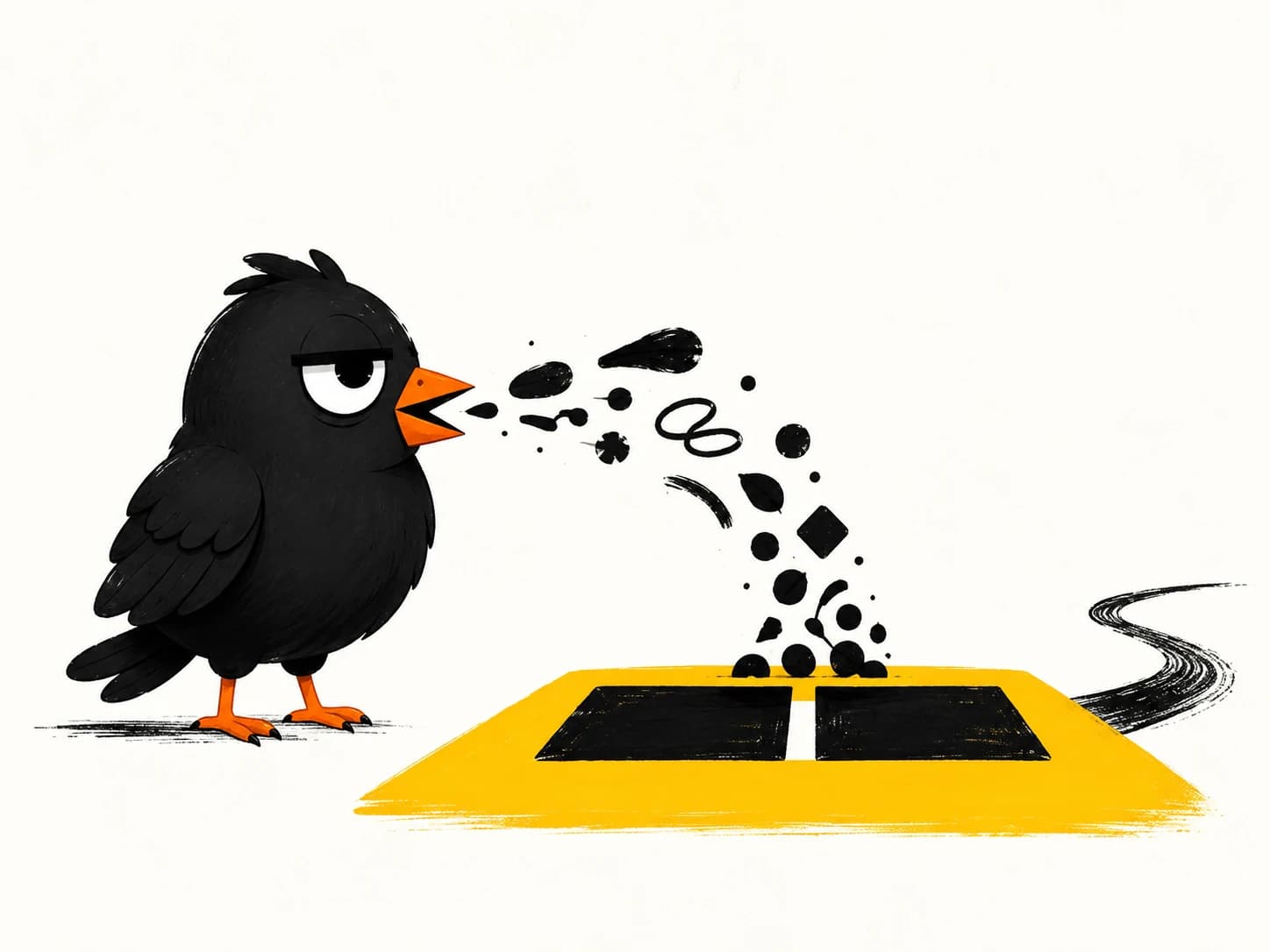
New words are the real check.
Repeat the intention with a different sentence. A good Take B is not yet a skill; transfer matters more than a polished result.
The illustrations were AI-generated from the Ptichi character reference. Editorial assembled the words and sequence; this explains the method and is not experimental data.
- 01Take A
- 02Listen
- 03One focus
- 04Take B
- 05New words
What the app does here
Ptichi does not decide whether your voice is “good.” It holds a small practice loop together: one authored sentence and listener focus, two takes kept locally, a listen-first comparison and only then the evidence that is actually available.
The question in this example is narrow: can you hear the relationship between the thoughts without seeing the text? That is more useful than optimizing a pause toward a universal number that does not exist here.
Try it without the app
Use any recorder and say:
We could launch on Friday. / But the payment flow still needs testing.
First, record your usual delivery. Then make a second take with an intentional boundary before “but.” Shuffle the order or ask someone else to play the files without their names. Choose the version where the contrast is easier to hear and the delivery still feels natural.
Now change the words:
The report is ready. / But the conclusions still need checking.
If the intention disappears with the familiar sentence, that is not failure. It is how transfer becomes distinguishable from one successful take.
Where the promise stops
The comic explains an authored practice model. It does not prove that one pause will help every listener, prescribe an ideal duration or turn Take B into evidence of learning. The images are editorial illustrations, not acoustic data or observed-user results.
Continue in Ptichi
Try the full thought-boundary contrast practice. The desktop product remains in development; the current Ptichi status separates a working technical loop from listener benefit we have not proved yet.
Reviewed:
Related
Practice
Two thoughts. One useful pause.
A short listening exercise: record a contrast, make the boundary audible, then try it with new words.
Product
What Ptichi is
A private desktop practice instrument for making professional speech easier to follow — without pretending one score can judge your voice.